
Looking for Hidden Gem Restaurants in the UK? Here Are 10 Things You Should Know

Salt Shed’s smoky, generous spread shows how a restaurant can make a strong impression through flavour, atmosphere and food made for sharing.
Meta description: Discover hidden gem restaurants in the UK with 10 practical lessons from BTNDC reviews, from looking beyond the obvious to judging the whole experience.
The phrase “hidden gem” can suggest a secret table known only to a fortunate few. In practice, a memorable restaurant is often hiding in plain sight: outside the centre of a city, in a neighbourhood you have not explored, or behind a menu that deserves more attention than its reputation gets.
At BTNDC, we review everything from informal neighbourhood spots to destination dining rooms. The useful discoveries are not all alike. What makes them worth seeking out might be generous cooking, a warm welcome, a distinctive point of view, or simply a meal that makes you glad you went. Here are ten lessons from our own restaurant reviews to help you find your next one.
1. Look beyond the most obvious streets
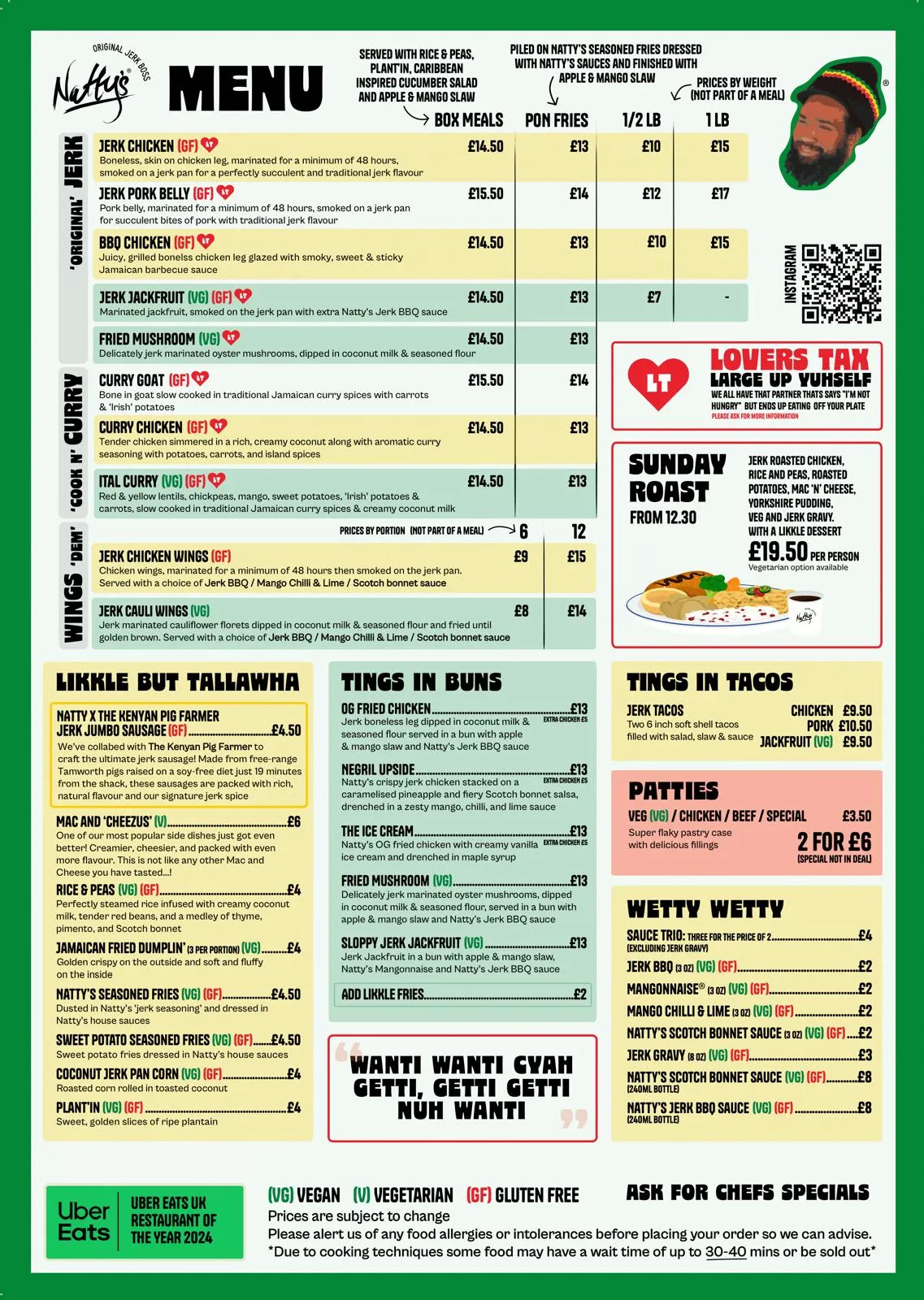
I try not to let the best-known postcode make all the decisions. A restaurant can feel like a discovery even when it is not technically secret; sometimes you have simply been looking in the wrong place. Natty’s Jerk in Portsmouth, for instance, makes its appeal through full-flavoured Caribbean cooking and an easy, generous welcome. That is a more useful reason to go than whether a place is trending this week.
Try searching by neighbourhood or town, then follow up by checking the restaurant’s menu and recent information. You may find that your next excellent meal involves a new route, not a complicated plan.
2. Define “hidden gem” by the experience, not the hype
A low profile is not proof of quality, and a famous name does not automatically make a meal memorable. A better question is what the restaurant does particularly well, and whether that matters to the diner.
The BTNDC review collection spans different styles and occasions. Starling Bistro, for example, stands out for the combination of thoughtful cooking, a warm neighbourhood atmosphere and attentive service. It is a reminder that an address can feel special without relying on spectacle.
3. Notice when a restaurant has a clear point of view
A strong identity helps a restaurant stay in your mind after dinner. At Natty’s Jerk, the appeal is not just heat: the review describes smoke, sweetness and aromatic spice, balanced with rice and peas, slaw and sauces. The meal has a recognisable character, and the welcome supports it.
Jerk seasoning, rice, slaw and plantain at Natty’s Jerk: a meal with a distinctive sense of identity.
When you read a menu, look for a sense of purpose rather than a long list of unrelated promises. Is the restaurant drawing you towards a particular kind of cooking, or a specific way to eat? A clear answer can be a better clue than grand language.
4. Read the room as carefully as the menu
A restaurant is more than what arrives on the plate. The energy of the room, how tables are arranged and whether the place suits your occasion all shape the experience.
At Ssam Ssam, Korean BBQ is part of a lively, shared meal: diners cook at the grill, pass plates and make time for conversation. Our review also notes that the room can feel compressed when busy. That candid detail matters. It helps you picture the experience, rather than just deciding whether the cuisine sounds appealing.

Ssam Ssam’s street-facing entrance, pictured at twilight.
5. Look for hospitality that fits the restaurant
Service does not have to be formal to be good. In one restaurant, it might mean discreet pacing; in another, it is a helpful explanation and a team that makes a busy meal feel easy.
The Salt Shed review describes friendly, direct service and useful guidance on ordering a spread, while also noting that a lively room can affect timing. That mix of praise and reservation is worth paying attention to. Look for reviews that explain what service feels like, not just whether it was “good”. It gives you a clearer sense of how the restaurant might suit your group.
6. Seek substance beneath the cleverness
An inventive menu can be exciting, but novelty alone is a thin reason to book. The more telling question is whether the ideas add pleasure to the meal.
At Fallow, the review highlights vegetables treated as a main event, intelligent use of ingredients and cooking that stays generous and flavour-led. That is the substance behind the creativity. For a useful restaurant discovery, look for detail about taste, texture and balance, not simply a list of unusual combinations.
7. Match the destination to the occasion
Some restaurants are worth planning around; others are at their best as part of a relaxed local evening. Neither is inherently better. The important thing is knowing what kind of experience you want before you set off.
Gravetye Manor is described as a destination meal, with a calm setting, seasonal cooking and unhurried service. The review also notes that the price reflects the setting as well as the cooking. That is useful context for anyone planning a special occasion. A good review helps you understand the shape of the evening, not just whether the food merits praise.

The dining room at Gravetye Manor, where the setting is part of the occasion.
8. Don’t overlook neighbourhood restaurants
It is tempting to think of a “discovery” as somewhere dramatic or far-flung. Yet the best neighbourhood restaurants earn their place through the details that make people want to return: a comfortable room, thoughtful cooking and hospitality that feels natural.
The French Table in Surbiton is presented in our review as a relaxed local restaurant with contemporary French cooking and a comfortable setting. It is a useful reminder that a restaurant does not need to turn dinner into a grand event to be worth your attention. Sometimes dependable care is the distinction.
9. Choose for the company, not just the cuisine
A place you love on a date night may not be the right choice for a large group, a business meal or a quick catch-up. Think about how you want to spend the evening: sharing plates, lingering over a drink, or keeping the meal composed and focused.
Ssam Ssam is built around shared cooking and conversation. Cattle & Cocktail, by contrast, pairs a polished steakhouse setting with a sociable bar. Neither format is universally best. The useful discovery is the one that fits the people around your table.
10. Use detailed reviews, then check the practicalities
A single rating can be a starting point, but it cannot tell you everything you need to know. Read for specifics: what makes the cooking distinctive, how the atmosphere feels, what service is like and where the experience has limitations. That is the difference between a quick recommendation and a genuinely useful guide to restaurant discovery in the UK.
Before making a special trip, check the restaurant’s own channels for current opening information, menus and booking details. Then browse the BTNDC restaurant reviews to find places across different cuisines, settings and price occasions. Our approach to the best restaurant reviews in the UK is grounded in the details that help you decide, not in pretending every meal is perfect.
The best hidden gem restaurants in the UK are not necessarily the least-known. They are the places whose cooking, welcome and atmosphere give you a reason to remember them, and, ideally, to bring someone else next time.